
It's performative until it becomes a reality
Let people get caught trying, damn 🙄

Everything we perform isn’t what we become, but everything we become is because we performed.
Two years ago was the perfect time to get sober. Everyone was exploring the idea of leaving behind bad habits. There was the rise of sober curiosity, challenges like Dry January, and (for better or worse) the desire to have the clean girl aesthetic. Of course, brands and marketers ate that shit up. I saw far too many zero-proof menus that doubled as an excuse to squeeze $15 out of you for craft juice. Some of it was authentic. Most of it was for show and sales.
While I’d love to say that my journey was built on aesthetics, in reality, my path was more about recovery than trend. Still, I do, in part, have to thank the success of my sobriety on the performativeness of others.
When others performed, it made it easier to blend in. It made it seem like I was riding the wave of influence, just following the crowd. That perceived performativeness, however, also meant that my timing couldn’t have been worse. People used sobriety as a status symbol. A marker of superiority. They wore the badge proudly while attempting to mark others with shame.
As I waded into the waters of this new lifestyle, I had to work hard to convince myself, and others, that my choice not to drink wasn’t a virtue signal for my morality. I remember being turned down on a date because he felt like, as a sober person, I’d always be judging him. Which was incorrect, but fair… I guess.
It wasn’t just him, though. As weeks turned into months, I got comments like, “I’m surprised you’re still doing the whole sobriety thing.” When I’d turn down a round of shots, I got responses like, “Oh shit… you’re really doing this.” Or when I’d initiate a night out, I got responses like, “Why go if you’re not going to drink?”
I still remember the first time I marked “Non-alcoholic beverages” as my dietary restriction at work. I felt like the biggest grifter. Do they really need to know? Will they actually even care? What if they think I’m faking it? Or worse, what if it doesn’t stick and I’ve wasted everybody’s time and brought unnecessary attention to myself?
I knew my journey was real, but at every turn, it felt like I had to verify the authenticity of my actions.
I even felt that pressure in the Zoom rooms. I read the daily reflection like gospel. I worked hard to embody the Serenity Prayer as a way of life. I tried (poorly) to work the steps. I’d share my lukewarm stories. There were plenty of days when I felt like I was cosplaying.
How could I have been struggling and still partying? How could I have been struggling if I gave it up so “easily”? Why was I claiming it when people had hit rockier bottoms? Why was I trying so hard to be a sober person?
All around it felt phony, fake, performative at best—until it wasn’t.
Fast-forward to 2026, and the need for proof of validity still stands. While authenticity is all the rage, it’s also one of the most policed things about us. We’ve all become experts at sniffing out the fake—or at least what we believe to be fake. We demand proof of realness before we deem someone’s journey as legitimate. And when we catch someone’s shift in real time, we shame them and call it a fraud.
This fear of being viewed as performative not only paralyzes people from trying out loud but also stunts them from experimenting, discovering, expressing, and even becoming new versions of themselves.
And because we don’t want to get caught looking like performers, called out as frauds, or dragged for attempting, we never really become anything.
Yes, everything we perform isn’t what we become, but everything we become is because we performed.
We’ve always been performing
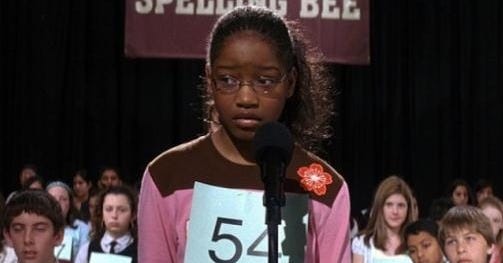
We may not want to admit it, but social life has always been about performance. Sociologist Erving Goffman argued in The Presentation of Self in Everyday Life that every social interaction is a form of performance. His theory can be summarized by three key points:
Performance is universal: We’re always “on stage,” presenting a version of ourselves shaped by who’s watching and what we want them to think about us.
Stigmatized people perform harder: If people could discredit your performance, you have to work harder to manage how others see you. You can’t just “be yourself”; you have to prove your legitimacy and manage others’ perceptions of you.
Identity isn’t revealed; it’s built through performance: Contrary to popular belief, you don’t just one day discover some hidden version of yourself; you build it brick by brick by performing those behaviors.
This challenges our idealized narrative of what it means to be authentic. We view it as something innate and organic. It’s spoken of as if it’s the undercurrent of our DNA. Something that just is. But, according to Andreas Reckwitz, it’s all ‘performative authenticity.’
In today’s world, being authentically yourself has become an obligation, not a choice. Authenticity isn’t just something you have; it’s something you must demonstrate and broadcast. And that broadcast must be unique, it must be special, it must be different than anyone else’s. But God forbid anyone catch you trying to figure out what your version of authenticity looked like—that would be marked as inauthentic. Authenticity must be curated and performed visibly while appearing completely unperformed. The effort of being you has to appear effortless.
There’s no denying that some performances are hollow. But can we always tell the difference in real-time?
Calling people out isn’t protecting authenticity—it’s gatekeeping who gets to change.
The authenticity trap
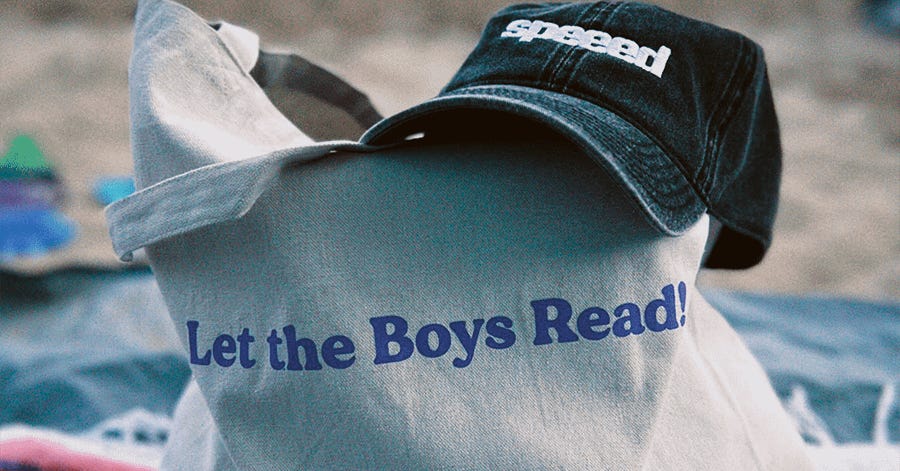
This isn’t just about sobriety, though. The authenticity paradox shows up everywhere, and always in the same way: we celebrate the outcome while sneering at the process.
I think about conversations like the performative male. In a time where men are told that they’re not emotive enough, that they’re shallow, and don’t have genuine interests outside of typical masculine things, when they do begin to explore a variation of themselves that’s different than the norm, they’re shamed for it.
Or consider the rising literary crisis. People are shamed for not being familiar with certain concepts, not having read certain materials, or not being exposed to certain media, yet at the same time are shamed for wanting to educate themselves or acknowledging publicly that they don’t know what they don’t know instead of pretending they do.
Even as trends like offline become the new high-value status symbol, if analog living isn’t embodied or expressed in a certain way, it’s not authentic enough.
In every case, the pattern is the same: We demand transformation while criminalizing the visible labor of transforming. We celebrate authenticity while punishing anyone caught becoming a more authentic version of themselves. And the people hurt most are those who actually want to change. The man who genuinely wants to unlearn toxic patterns, the person sincerely trying to expand their knowledge, and the person who truly wants to evaluate their relationship with digital spaces. They’re paralyzed by the fear that their clumsy first steps will mark them as frauds.
Meanwhile, the gatekeepers, those who’ve already made the journey and forgotten what it looked like to be unseasoned, police the boundaries. Their own messy becoming is invisible to them now that hindsight turned into a narrative of natural, effortless authenticity that was always there.
When fake becomes real
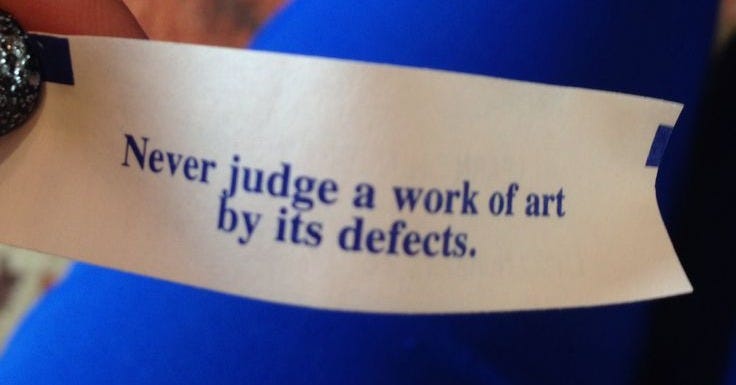
When I think of my own sobriety story, I can’t tell you when things stopped feeling fake and started being real.
Some things I adopted from those early days, I kept—the daily check-ins, the honesty about triggers, the boundaries around specific spaces. Some things I adopted, I abandoned—the rigid stepwork, the prayer language, the performative gratitude that felt hollow.
But all of it was worth trying on at least once.
The performance didn’t become reality in a single moment. It accumulated until one day I just realized I wasn’t pretending anymore, or maybe I was still pretending in some ways, but it didn’t matter because the pretending was doing its job. I had become a sober person, not by uncovering some hidden, authentic self, but by performing sobriety until the performance and the person were indistinguishable.
I think about this now whenever I see someone embarking on something new. The person on their fourth attempt at weight loss. The one starting a podcast with zero audio skills. The person suddenly obsessed with the latest productivity system and posting about their 5 am routine.
I used to roll my eyes and think ‘here we go again’ or ‘this is just for show.’ As if I could tell. As if the difference was visible from the outside. As if my judgment even mattered.
But now I realize that I looked exactly like that. Performative. And if someone had called me out, if someone had said ‘you’re just doing this for attention,’ I might have believed them and would’ve stopped.
So whether they choose to keep going or change their minds after they stop pressing record, it’s not up to me to dictate who or what they are allowed to become.
Instead, I choose to protect the messy middle. Not comment on people’s visible trying. Resist the urge to determine whether it’s real, because I don’t know. I can’t know. And my skepticism might be the thing that stops them.
Don’t let your gatekeeping keep you from remembering that to someone, you, too, were a performative mess. You might still be. But that didn’t stop you from becoming who you needed to be.
What if they become it anyway? What if, like me, they look back in two years and can’t tell which parts were fake and which were real because it all mattered? What if your silence is the permission they need to keep growing?
Let people get caught trying. It’s the only way any of us become anything at all.
Like what you’re reading? Buy me a coffee ☕️🖤
This publication is free. If you’ve enjoyed my content, feel free to support.
❤️